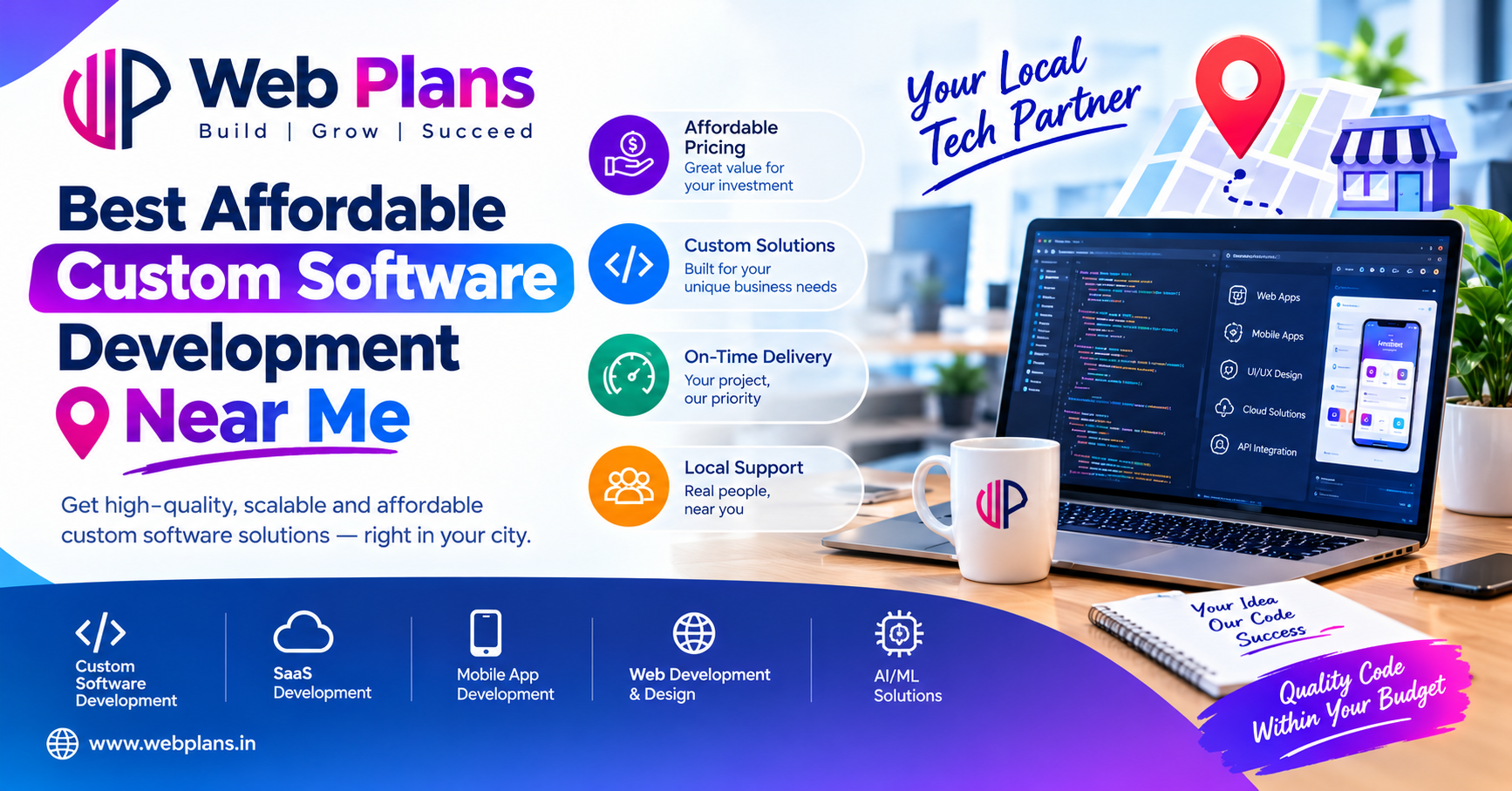
Finding the best affordable custom software development near me can feel like searching for a needle in a haystack, especially when you need a solution that aligns with tight budgets and strategic goals. This guide breaks down the process, offering actionable steps that let you evaluate local providers, understand cost structures, and launch projects that drive real business value.
Why Choose the Best Affordable Custom Software Development Near Me?
Local developers bring a deep understanding of regional market dynamics, regulations, and cultural nuances that remote teams might miss. Proximity also means faster communication cycles, on‑site meetings when needed, and a stronger sense of partnership.
Speed of Collaboration
Being in the same time zone eliminates the delays caused by asynchronous communication, allowing you to iterate quickly and keep momentum.
Trust and Accountability
Face‑to‑face interactions build trust faster, and local firms are more likely to protect their reputation within the community.
Key Benefits of Local Custom Software Development
Beyond convenience, hiring a nearby team offers tangible advantages that impact your bottom line.
- Reduced Travel Costs: No need for expensive flights or accommodations for project kick‑offs.
- Regulatory Compliance: Local experts stay current with regional data‑privacy laws.
- Scalable Support: On‑site support can be arranged quickly for critical issues.
How to Evaluate Affordable Custom Software Providers
Choosing a partner requires a systematic assessment. Below are the core criteria you should weigh.
Portfolio Relevance
Look for case studies that match your industry, technology stack, and project scale. A relevant portfolio demonstrates the provider’s ability to solve similar challenges.
Technical Expertise
Verify certifications, development methodologies (Agile, DevOps), and the breadth of programming languages they master.
Pricing Transparency
Request a detailed breakdown that separates fixed‑price components from variable costs such as third‑party licenses.
Client References
Speak directly with past clients to gauge satisfaction, delivery timeliness, and post‑launch support quality.
Cost‑Effective Development Models Explained
Understanding the financial models helps you align costs with project risk and flexibility.
Fixed‑Price Contracts
Ideal for well‑defined scopes. You receive a single price upfront, which simplifies budgeting but limits scope changes.
Time‑and‑Material (T&M)
Best for evolving requirements. You pay for actual hours worked, giving you flexibility to pivot as business needs shift.
Dedicated Team Extension
Provides a hybrid approach: a core team works exclusively for you, blending the predictability of fixed‑price with the adaptability of T&M.
Practical Steps to Kick‑Start Your Project
Turning vision into code requires clear milestones and collaborative tools.
- Define Business Objectives: Document the problem you’re solving and the metrics for success.
- Create a Minimum Viable Product (MVP) Roadmap: Prioritize features that deliver immediate value.
- Choose Collaboration Platforms: Use tools like Jira, Confluence, or Trello to maintain transparency.
- Set Communication Cadence: Weekly stand‑ups and bi‑weekly demos keep stakeholders aligned.
Measuring Success and ROI
Post‑launch, you need a framework to assess whether the investment meets expectations.
Key Performance Indicators (KPIs)
Track adoption rates, process efficiency gains, error reduction, and revenue impact. Quantifiable data validates the partnership.
Continuous Improvement Loop
Schedule regular retrospectives with your development team to identify enhancements and plan iterative releases.
Frequently Asked Questions
What makes a custom software developer “affordable” without sacrificing quality?
Affordability stems from efficient processes, transparent pricing, and leveraging local talent pools that reduce overhead. Quality is maintained through rigorous testing, industry certifications, and a proven track record.
How do I ensure my project stays within budget?
Start with a detailed scope, use fixed‑price contracts for stable components, and monitor time‑and‑material work closely with weekly budget reviews.
Can I combine on‑site and remote development teams?
Yes. A hybrid model lets you keep core strategic work on‑site while tapping into remote specialists for niche skills, optimizing cost and expertise.
What legal protections should I consider when signing a contract?
Include confidentiality clauses, IP ownership transfer, clear termination terms, and service‑level agreements (SLAs) that define response times and support levels.
How long does a typical custom software project take?
Timeline varies by scope, but a well‑defined MVP often launches in 3‑6 months, with additional phases extending based on feature complexity and user feedback.
Ready to get started? Contact us today for a free consultation.