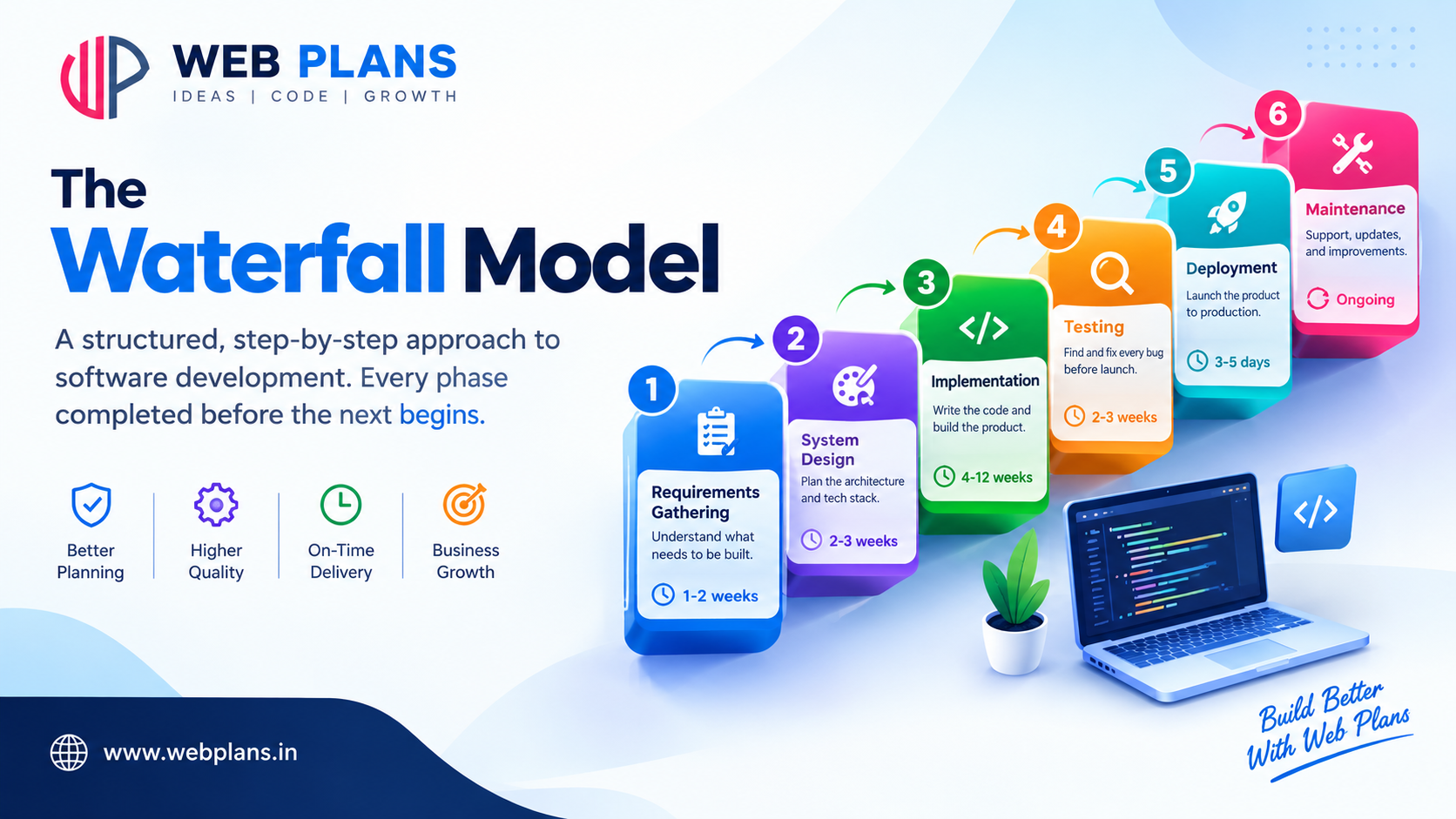
# How AI Is Transforming Custom Software Development in 2026
The technology landscape has evolved at a breathtaking pace over the past few years. As we navigate through 2026, artificial intelligence is no longer just a trendy buzzword or a futuristic experiment; it has firmly established itself as the core engine powering the software industry. **AI in custom software development** has shifted from assisting human developers with basic autocomplete functions to driving complex architectural decisions, autonomous testing, and self-healing codebases.
For businesses looking to build tailored digital solutions, understanding this shift is critical. Whether you are a startup founder planning a minimum viable product (MVP) or an enterprise leader modernizing legacy systems, AI-driven development is reshaping what is possible in terms of speed, cost, and scale.
In this comprehensive guide, we will explore how AI is transforming custom software development in 2026, the key benefits, emerging challenges, and what the future holds for digital creation.
---
## The State of Software Engineering in 2026
Gone are the days when developers spent weeks writing boilerplate code, configuring deployment pipelines, and hunting down elusive syntax errors. Today, AI-powered developer ecosystems act as collaborative co-pilots that understand natural language prompts, business logic requirements, and complex security constraints.
According to recent industry metrics, over 75% of new enterprise applications incorporate AI-generated code blocks or automated workflow agents. This paradigm shift has redefined the role of the software engineer. Developers have transitioned from "code writers" to "system architects and prompt directors," focusing higher up the value chain on user experience, system integration, and strategic problem-solving.
---
## Key Ways AI Is Revolutionizing the Development Lifecycle
To truly grasp how AI is transforming custom software development, we need to examine its impact across every phase of the traditional Software Development Life Cycle (SDLC).
### 1. Requirements Gathering and System Design
In the past, translating vague business requirements into technical specifications often led to misunderstandings and costly project delays. In 2026, advanced Large Language Models (LLMs) and specialized requirement-analysis tools can ingest stakeholder interviews, market research, and business goals to automatically generate:
* Comprehensive User Stories
* Detailed Entity-Relationship Diagrams (ERDs)
* API contract schemas
* Scalability and security blueprints
### 2. Intelligent Code Generation and Refactoring
Writing code is faster and cleaner than ever. Modern AI coding assistants do not just predict the next line; they understand entire multi-file repositories.
* **Context-Aware Generation:** Tools analyze the existing codebase to maintain consistent style guidelines and architectural patterns.
* **Automated Refactoring:** AI agents continuously scan repositories to optimize algorithms, reduce technical debt, and eliminate code bloat in real time.
### 3. Autonomous Testing and Quality Assurance
Quality assurance (QA) used to be a notorious bottleneck in custom software projects. AI has completely automated this phase through intelligent test orchestration:
* **Self-Healing Test Scripts:** When a UI element changes, AI test bots automatically update their locators without failing.
* **Predictive Bug Detection:** Machine learning models analyze historical bug data to predict which modules are most likely to fail under high traffic.
| SDLC Phase | Traditional Approach (Pre-2026) | AI-Driven Approach (2026) |
| :--- | :--- | :--- |
| **Planning** | Manual wireframes and lengthy specification docs | AI-generated user stories and architectural schemas |
| **Coding** | Hand-written boilerplate and manual syntax entry | Multi-file context-aware generation and prompt engineering |
| **Testing** | Manual QA scripts and reactive bug fixing | Autonomous self-healing testing and predictive analytics |
| **Deployment** | Manual CI/CD configuration and monitoring | Autonomous cloud provisioning and anomaly detection |
---
## The Benefits of AI-Driven Custom Software
Integrating artificial intelligence into bespoke software projects delivers profound advantages for businesses of all sizes.
* **Accelerated Time-to-Market:** By automating repetitive coding tasks and accelerating testing cycles, development timelines are cut by up to 50%.
* **Cost Efficiency:** Reduced labor hours for routine tasks mean custom software is now more accessible and budget-friendly for small and medium-sized enterprises.
* **Enhanced Scalability:** AI models design systems with built-in elasticity, anticipating traffic spikes and resource allocation needs proactively.
* **Improved Security:** AI security scanners analyze code for vulnerabilities and zero-day exploits before deployment, ensuring enterprise-grade protection from day one.
---
## Challenges and Considerations in the Age of AI
While the benefits are undeniable, leveraging AI in custom software development comes with unique challenges that organizations must navigate carefully.
### Data Privacy and Intellectual Property
Feeding proprietary business logic or sensitive user data into public AI models poses serious security risks. Modern development teams must rely on enterprise-grade, localized LLMs or ensure strict compliance frameworks (such as GDPR and HIPAA) are enforced.
### Over-Reliance on Automation
While AI is remarkably powerful, it is not infallible. "Hallucinations"—where an AI generates plausible-sounding but fundamentally flawed code—still occur. Human oversight, code reviews, and rigorous architectural governance remain non-negotiable.
---
## Frequently Asked Questions (FAQs)
### 1. Will AI completely replace human software developers?
No. While AI automates routine coding tasks and accelerates development, human software engineers are still essential for strategic decision-making, creative problem-solving, understanding nuanced human needs, and architectural oversight.
### 2. How does AI impact the cost of custom software development?
AI generally lowers the overall cost of custom software development by drastically reducing the hours required for boilerplate coding, manual testing, and debugging, allowing teams to deliver projects faster within tighter budgets.
### 3. Is AI-generated code secure?
AI-generated code can be very secure, provided that developers use secure enterprise AI models and integrate automated security scanners (SAST/DAST) into their CI/CD pipelines to catch vulnerabilities early.
### 4. What is the biggest advantage of AI in custom software development?
The biggest advantage is speed combined with precision. AI drastically shortens the time-to-market while maintaining high code quality, enabling businesses to test new ideas and scale digital products faster than ever.
### 5. How can my business start using AI for a software project?
The best way to start is by partnering with an experienced development agency that integrates AI tools effectively into their workflow. [Contact Web Plans](#cta) to discuss how we can bring your vision to life using cutting-edge AI development practices.
---
## Build Your Next Digital Solution with Web Plans
The future of technology waits for no one. If you want to stay ahead of the competition, harness the power of **AI in custom software development** today.
At **Web Plans**, we combine human creativity with advanced artificial intelligence workflows to deliver bespoke web applications, mobile apps, and enterprise software faster, smarter, and more affordably than ever before.
Ready to transform your business idea into a high-performing digital reality? **[Get in touch with Web Plans today](#)** and let’s build the future together!
Ready to build your project?
Get a free 30-minute consultation with our engineering team. No sales pitch — just technical clarity.